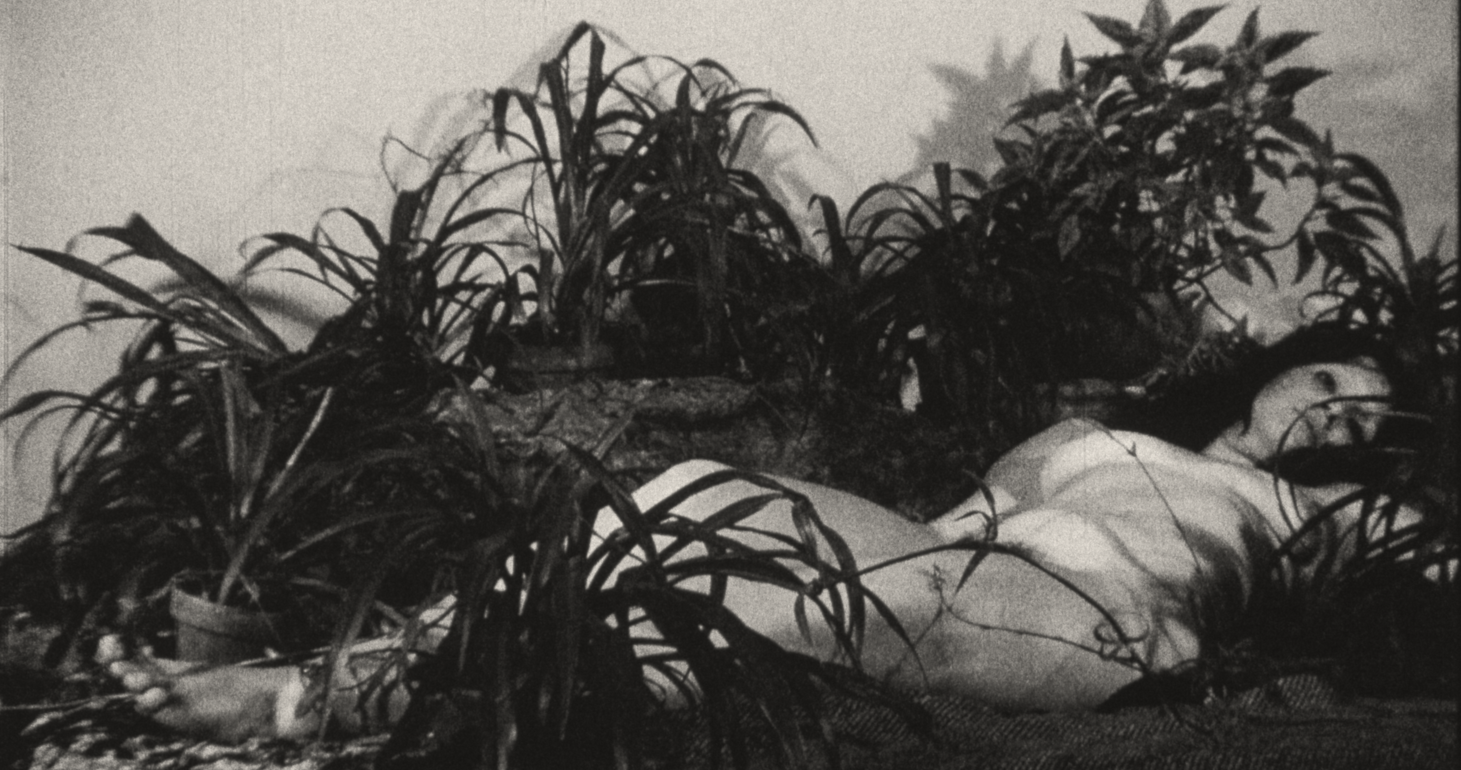
Bodies AdriftA double programme featuring restored experimental shorts of Cuban filmmakers Miñuca and Fernando Villaverde, plus a restoration of Carlos Oteyza’s Venezuelan documentary Mayami Nuestro
27 and 29 SEPTEMBER 2026 | ICA
A double programme featuring restored experimental shorts by Cuban filmmakers Miñuca and Fernando Villaverde, plus the Villaverdes’ Tent City and Carlos Oteyza’s Mayami Nuestro, two restored documentaries from 1981 exploring, respectively, Cuban and Venezuelan migrant communities in Miami.
Presented by Cinema Mentiré, Jonathan Ali and José Luis Aparicio. With thanks to Filmoteca de Catalunya, Fernando and Miñuca Villaverde, Cinesa, Francisco Llinás, Andrés Prypchan and Carlos Oteyza.
Jonathan Ali is a film curator and writer with a particular interest in critical Caribbean cinema.
José Luis Aparicio is a Cuban filmmaker, researcher and curator based in Madrid, Spain.
BODIES ADRIFT: MIAMI
Sunday, 27 September 2026, 5.30pm + Intro
Tent City (dir. Miñuca Villaverde, 1981, 31’)
Mayami Nuestro (dir. Carlos Oteyza, 1981, 33’)
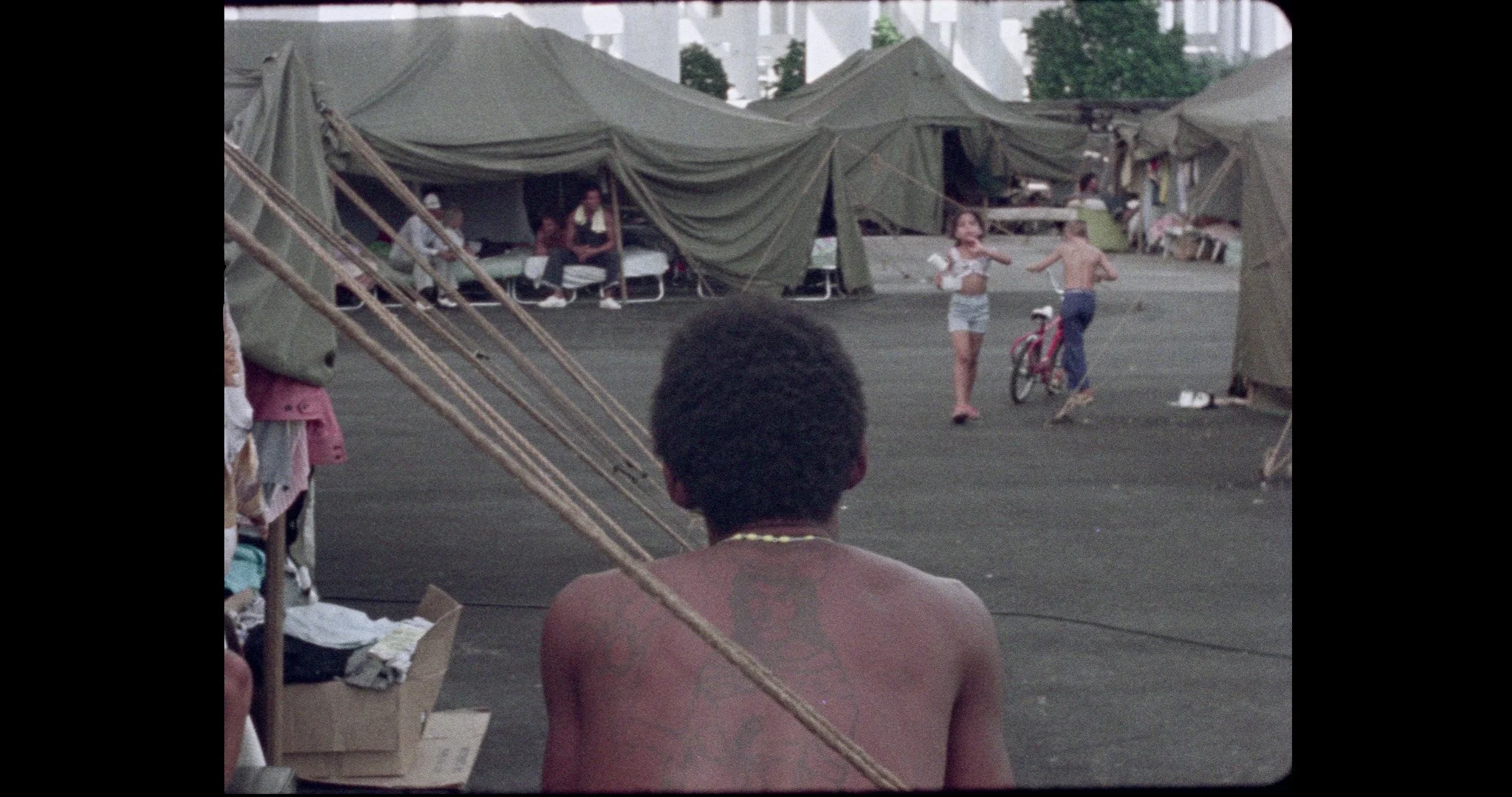
Both from 1981, Tent City and Mayami Nuestro present contrasting and penetrating non-fiction portraits of Latin American diaspora communities in Miami.
Over several months in 1980, some 120,000 Cubans left their island for the United States in a mass exodus known as the Mariel boatlift. Fifteen years after having left Cuba herself, Miñuca Villaverde, alongside her husband Fernando visited the so-called “Tent City”, an improvised camp of these marielitos beneath the I-95 highway in Miami. Tent City explores that microcosm and reveals the day-to-day life of several refugees, “men and women, homosexuals and heterosexuals, whose lives were only separated by cloth curtains hanging between the beds like floating walls”. Empathetic but refusing victimhood, moving and reflexive, Tent City is one of the essential films about the Cuban diaspora, a portrait of people discarded by history in their incessant search for agency and liberty.
Carlos Oteyza’s Mayami Nuestro, meanwhile, takes a satirical yet affectionate look at Venezuela’s elite, capturing the exodus of petro-dollars from Venezuela to Miami in the 1980s. Contrasting Venezuela’s social inequalities with Miami’s sanitised consumerism, the film humorously registers both a frivolous neocolonial fantasy as well as a fleeting reversal of global capitalist hierarchies, when oil wealth gave the Venezuelan upper classes unprecedented power. With millions of Venezuelans in recent years traversing the Darién Gap in search of opportunity in the US, Mayami Nuestro resonates anew, highlighting the persistence of economic and cultural hierarchies in the Americas and beyond.
BODIES ADRIFT: VILLAVERDES’ SHORTS
Tuesday, 29 September 2026, 8.30pm + Intro
The Park (El parque, 1963, 25’)
Blanca Putica. A Girl in Love (1973, 15’)
Poor Cinderella, Still Ironing Her Husband Shirt (1978, 7’)
A Lady’s Home Journal (1972, 20’)
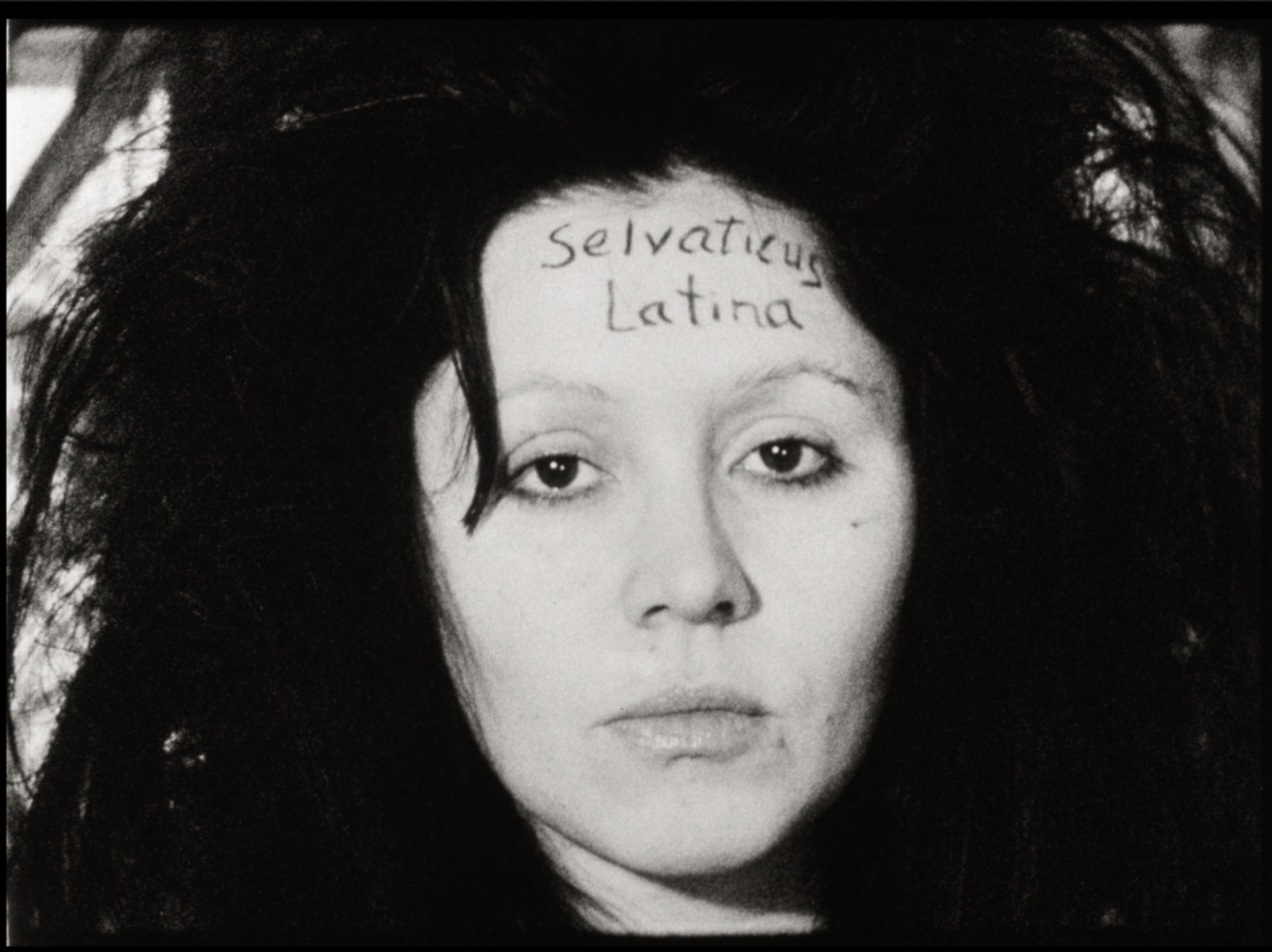
This programme traces the Villaverde filmmaking couple trajectory from revolutionary Cuba in the early 1960s to the experimental underground scene of 1970s New York. Beginning with The Park, filmed in one of Havana’s epicentres, and continuing through a series of intimate works made in exile, the session reveals their continuous reinvention of cinematic form and production methods. Moving from institutional filmmaking to a radically independent practice shot on 16mm with minimal resources, the Villaverdes remained at the margins of the cultural movements they inhabited. Their Cuban films were often censored or scarcely exhibited, while their US output has only recently begun to be discovered through restorations by the Filmoteca de Catalunya.
Across these films runs a persistent attention to lives situated at the edges of societal structures: the elderly figures wandering through The Park; immigrants navigating displacement (A Lady’s Home Journal); and women confronting domestic roles and gender violence (Blanca Putica, Poor Cinderella). As the filmmakers moved from Cuba to the United States, their cinema shifted from observing bodies in public space to examining their own within the private confines of home. The result is a body of work that quietly resists grand historical narratives in favour of the fragile, everyday experiences of those who remain on the margins.